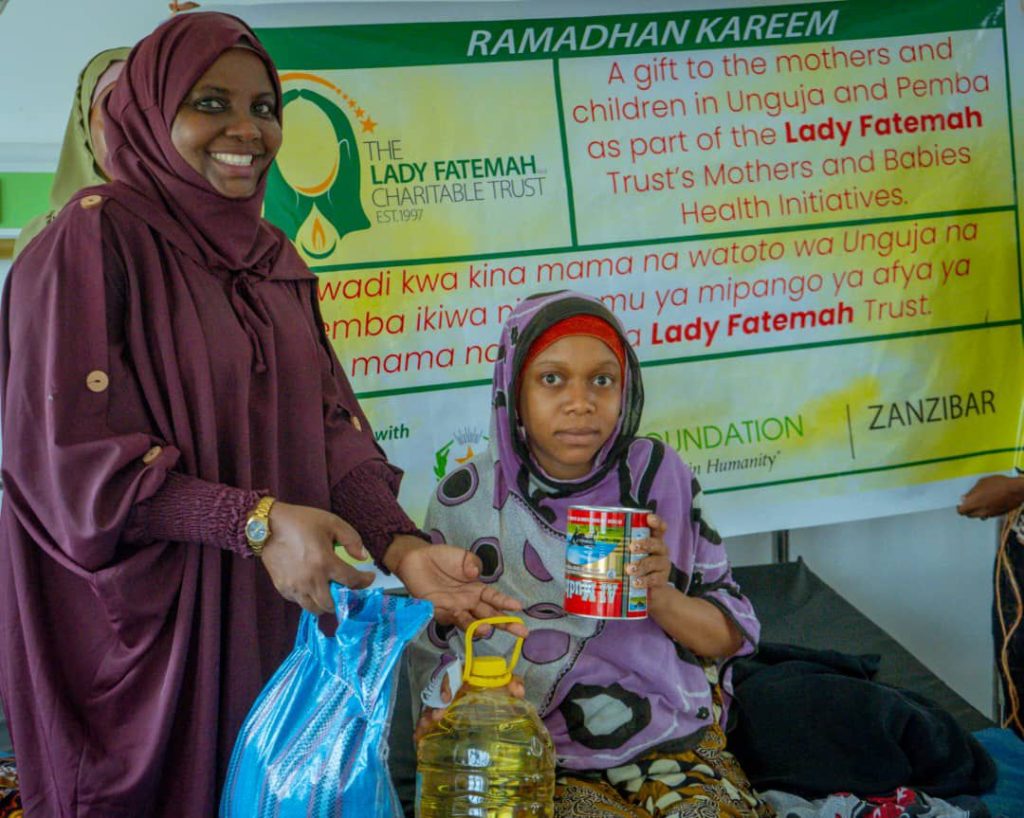
Ramadhan is a time of reflection, generosity, and compassion. As families gather to break their fast each evening, many are reminded of the blessing of having food on the table and the responsibility to support those who do not.
Thanks to the generosity of supporters of The Lady Fatemah Trust, thousands of vulnerable families have been able to experience relief this Ramadhan. Across our emergency relief programmes, your support has helped deliver life-saving food assistance to communities facing conflict, displacement, and economic hardship.
Supporting Families Through Crisis
In Gaza, the situation remains extremely challenging for families living in overcrowded displacement camps with limited access to food and essential services. With the recent escalation across the region and continued restrictions at the borders, families are facing worsening shortages of food and essential supplies, adding to an already devastating humanitarian situation. Through our Ramadhan distributions, over 25,800 hot iftar meals have been served, helping internally displaced families break their fast with confidence and ease during the holy month.
In Lebanon, where many communities continue to navigate the effects of economic collapse and conflict, ongoing instability and mass displacement have forced more than 750,000 people from their homes, leaving many families in urgent need of food and basic support. In response, 2,000 family food packs have been distributed, reaching vulnerable households across affected areas. As the month continues, support is expanding further, with 2,000 hot iftar meals served each evening for the remainder of Ramadhan.
Together, these efforts have helped reach more than 2,400 families and over 12,000 individuals this Ramadhan. Behind each number is a family navigating extraordinary circumstances. For many, these meals provide not only nourishment, but also a moment of stability and reassurance during incredibly difficult times.
When Hunger Does Not End With Ramadhan
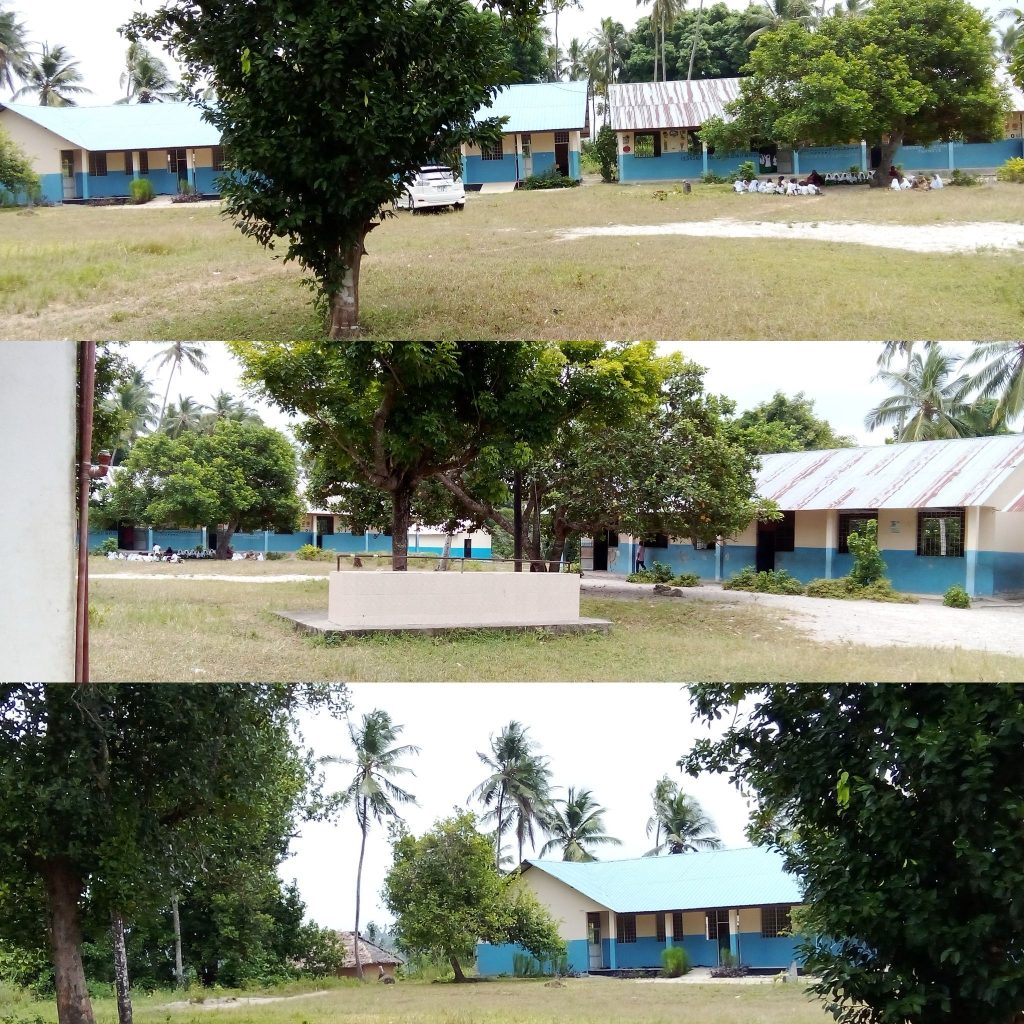
While Ramadhan is a time when charitable giving increases, the reality is that hunger does not disappear when the month ends. Many families around the world face food insecurity year-round. This is particularly true in Zanzibar, where smallholder farmers confront declining soil fertility, climate pressures, and limited access to sustainable agricultural knowledge. Strengthening nutrition awareness and practical food-growing skills is essential to improving long-term health and resilience across households and communities.
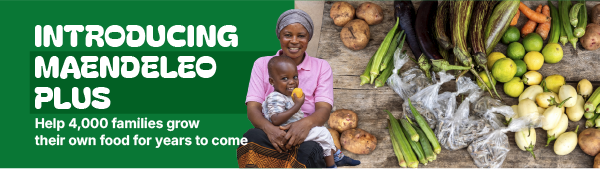
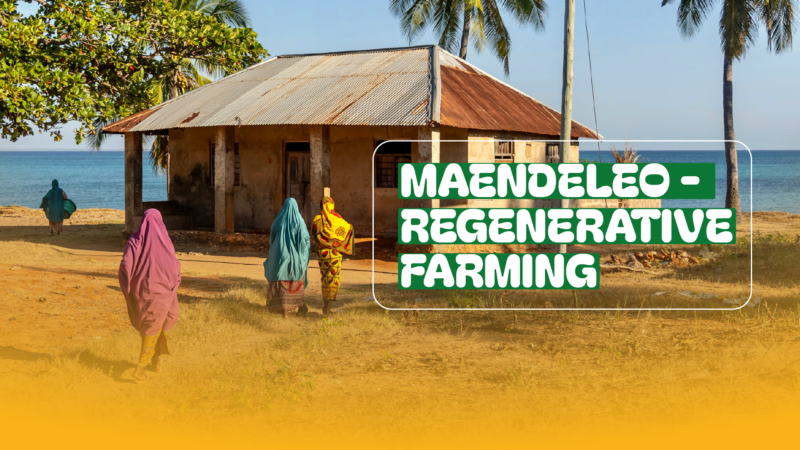
To address these challenges, The Lady Fatemah Trust has launched the Maendeleo Programme. The word Maendeleo means development or progress, reflecting the programme’s focus on long-term community resilience.
Through regenerative farming training, farmer field schools, and nutrition education, the programme will support 4,000 families across Unguja and Pemba, reaching approximately 15,000 individuals. Participating farmers will learn how to:
- Restore soil health through regenerative farming techniques
- Grow climate-resilient crops suited to local conditions
- Diversify production to improve household nutrition
- Strengthen food preparation and hygiene practices
- Generate income by selling surplus produce in local markets
A network of 12 Green Champions, trained community mentors, will support farmers throughout the programme, sharing knowledge and encouraging sustainable practices across their communities.
Voices from the Field
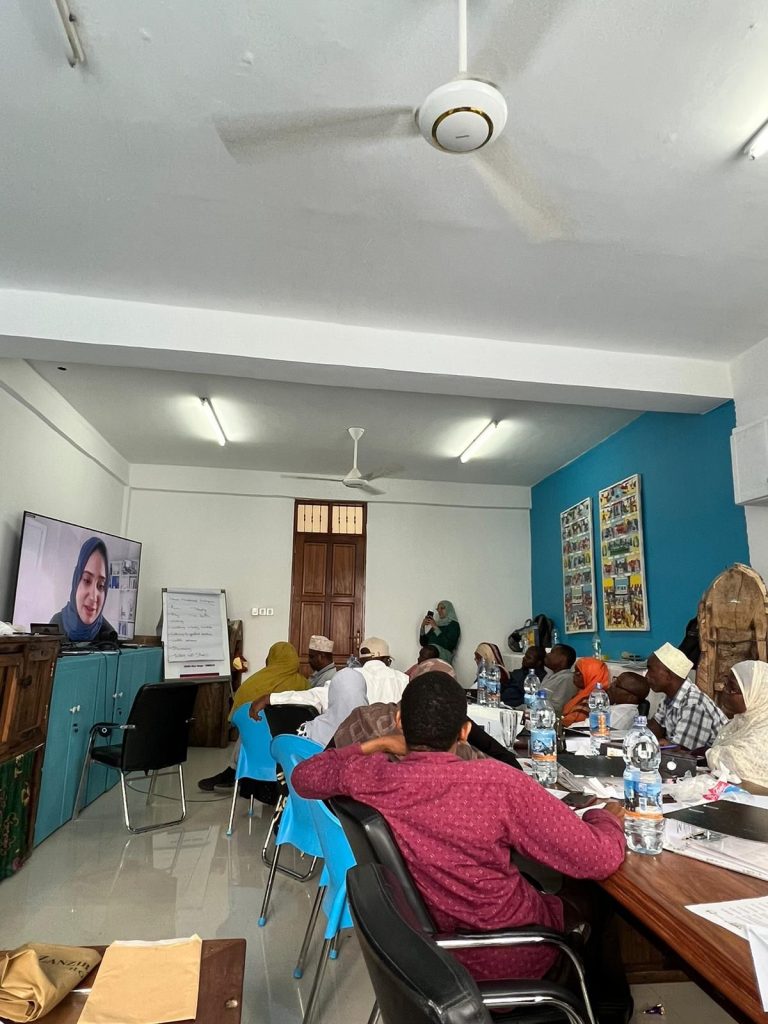
The impact of the programme is already being felt. Omar, a spice farmer in Zanzibar attending classroom training as part of the Maendeleo Programme, explained the benefits of organic farming:
Using everything organic saves lives and makes people live comfortably… Chemical farming is costly and is very bad for the environment…organic farming helps agriculture grow better and more profitably for farmers…(Maendeleo) has been a very fortunate opportunity to practice in my community…I hope future generations will enjoy this innovation.”
The Potential Impact
The long-term potential of the Maendeleo programme is significant. Once crops reach full harvest, it could generate over 5,450,000 nutritious meals each year for participating households and their communities. Rather than relying solely on external food aid, families will gain the skills and knowledge needed to cultivate their land sustainably and provide for their families long into the future.
A Form of Sadaqah Jariyah
One of the most powerful aspects of the programme is its lasting impact. By helping families build skills to grow their own food, the benefits continue for years. Each harvest contributes to stronger households, healthier children, and more resilient communities. In this way, initiatives like Maendeleo represent an opportunity for sadaqah jaariyah, a form of charity whose rewards continue long after the initial act of giving.
A Final Opportunity This Ramadhan
As we enter the final days of Ramadhan, many supporters look for ways to maximise the impact of their charity during this blessed time.
This year, The Lady Fatemah Trust is inviting supporters to take part in a meaningful initiative that combines immediate relief with long-term change.
For anyone who sponsors 5 Ramadhan food parcels, The Lady Fatemah Trust will also enable 5 families to begin their journey towards year-round self-sufficiency through the Maendeleo programme.
In this way, a single act of generosity can help provide meals today while supporting sustainable food production for years to come.
Looking Beyond the Month of Ramadhan
Ramadhan reminds us of the importance of feeding those in need and caring for the most vulnerable. But the spirit of this blessed month extends far beyond thirty days. By supporting both emergency relief and sustainable development, supporters of The Lady Fatemah Trust are helping communities not only survive crises, but also build the foundations for a more secure and nourishing future.
Through compassion, knowledge, and long-term partnership, the impact of Ramadhan can continue to benefit families for many years to come.