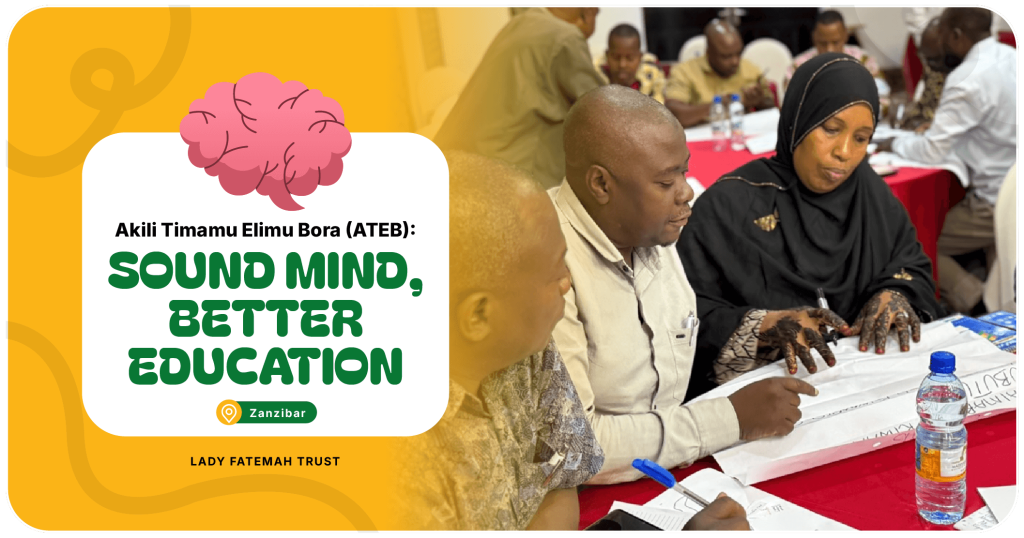
Launching a new chapter for mental health and education in Zanzibar
- Mariam Hassam, Capacity Building Lead
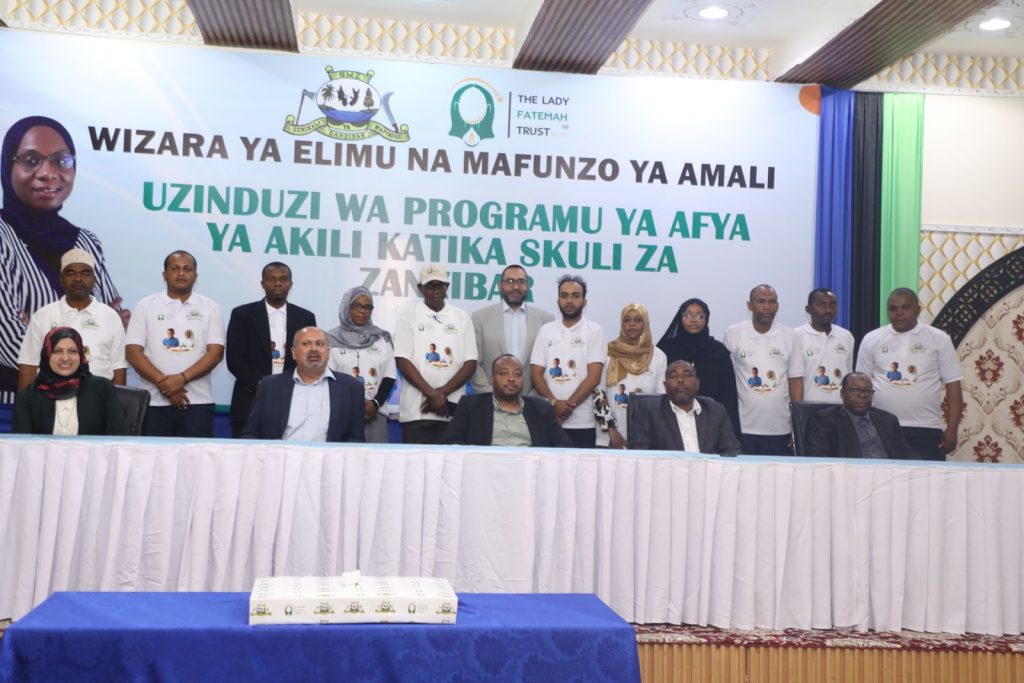
In September 2025, I had the privilege of being in Zanzibar for a moment that felt both historic and deeply personal – the official launch of Akili Timamu Elimu Bora (ATEB), meaning Sound Mind, Better Education.
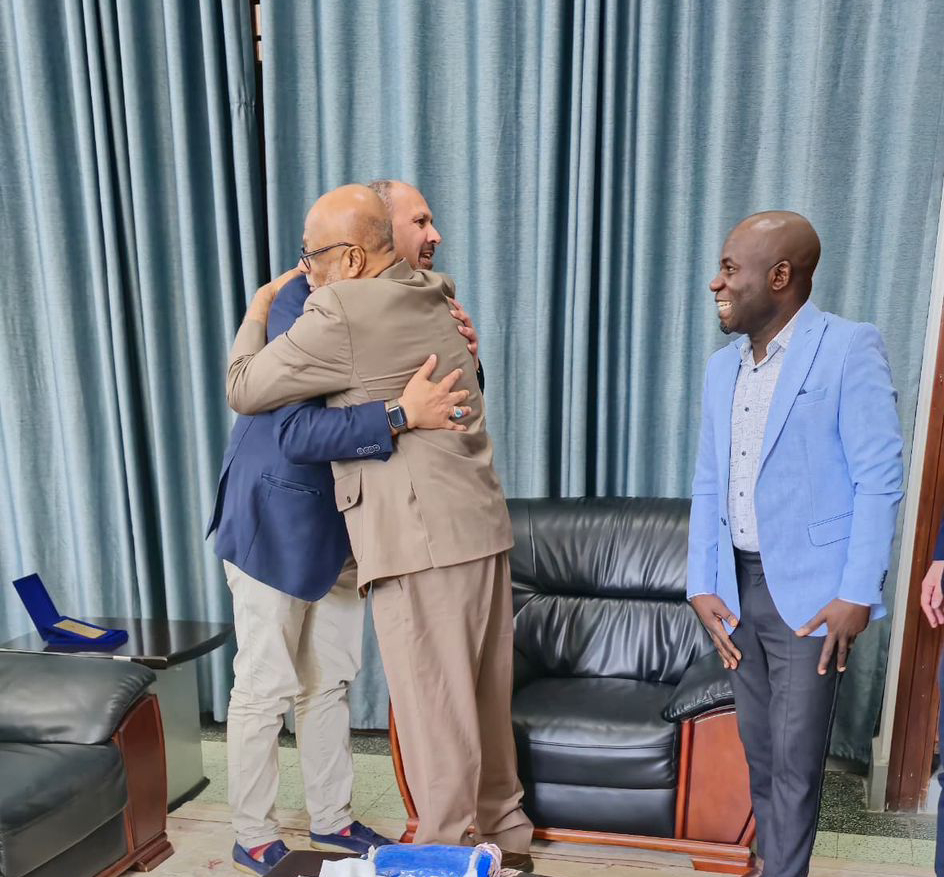
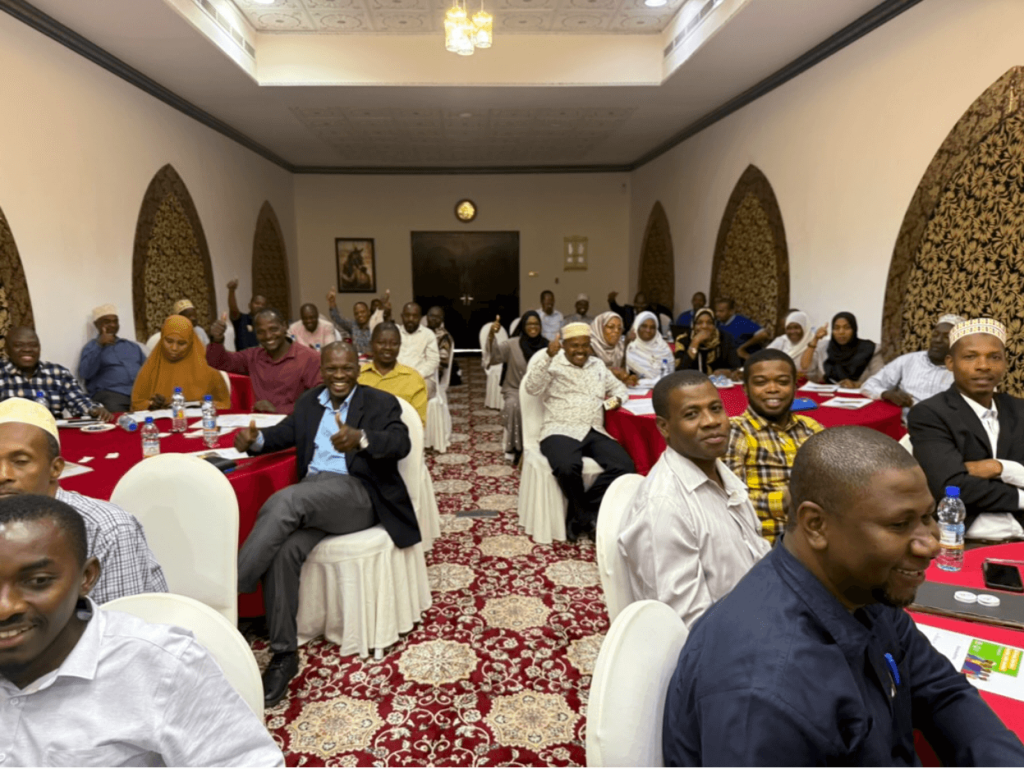
The event, held in partnership with the Ministry of Education, was vibrant and full of life. There was poetry, speeches, and a full hall of teachers, district officers, and government representatives. I found myself seated at the top table, surrounded by colleagues and leaders who had become partners in this journey. Amid the ceremony and celebration, one thought kept returning to me: this was local capacity in action.
What we had started three years earlier – a seed of training and awareness – had grown into something powerful and self-sustaining. Zanzibar was owning its solution.
From first trainings to national vision
Our journey began in May 2023, when we launched the first cohort of Mental Health First Aiders. Over seven intensive days, healthcare professionals – doctors, nurses, psychologists, and psychiatrists – were trained using a locally adapted curriculum. We observed sessions in real-world settings like hospitals and community clinics, refining the material to fit both the language and lived realities of Zanzibar.
The goal was simple yet ambitious: to increase community awareness of mental health to enable people to look after themselves , reduce stigma, and create an ecosystem of early support.
By January 2024, two additional cohorts were trained, ensuring representation across multiple districts. Each facilitator committed to running at least two community sessions a month, reaching groups of 25–30 people – from parents and teachers to youth and community leaders.
Our vision was that if even 10% of the population could access accurate mental-health information, we would begin to see a meaningful shift in community understanding and response.
Building momentum – from awareness to impact
When I returned to Zanzibar for the ATEB launch, the results spoke volumes. Our facilitators proudly shared that over two years, they had conducted 992 sessions, reaching more than 20,000 people, including 12,000 women.
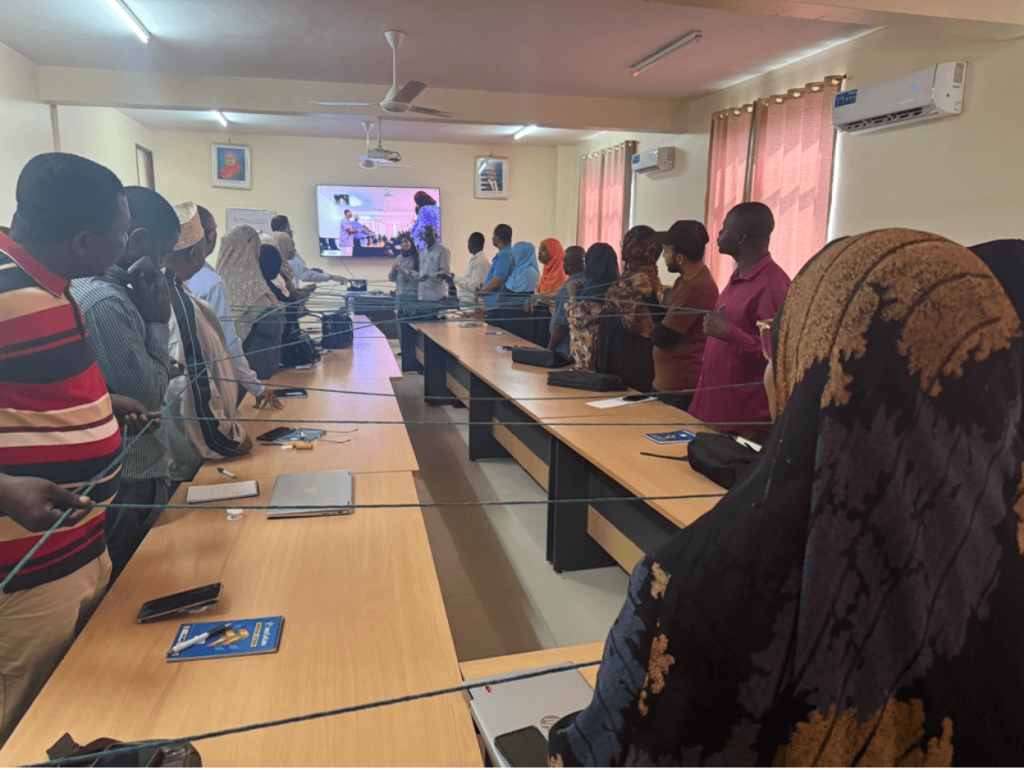
We now have 58 trained facilitators across 11 districts, each one championing mental-health literacy in their own community. Many have become master trainers, mentoring Head teachers and partnering with health and education stakeholders to extend the work further.
What makes this initiative special is not just the numbers – it’s the stories. Facilitators shared examples of how awareness has reduced stigma, changed conversations within households, and encouraged parents to seek help earlier for children showing signs of distress.
Some have started clinics for mothers of children with cerebral palsy; others support the local faith healers to solve complex cases, others signpost so that people can get the care that they need These are the quiet but powerful signs of a system beginning to heal from within.
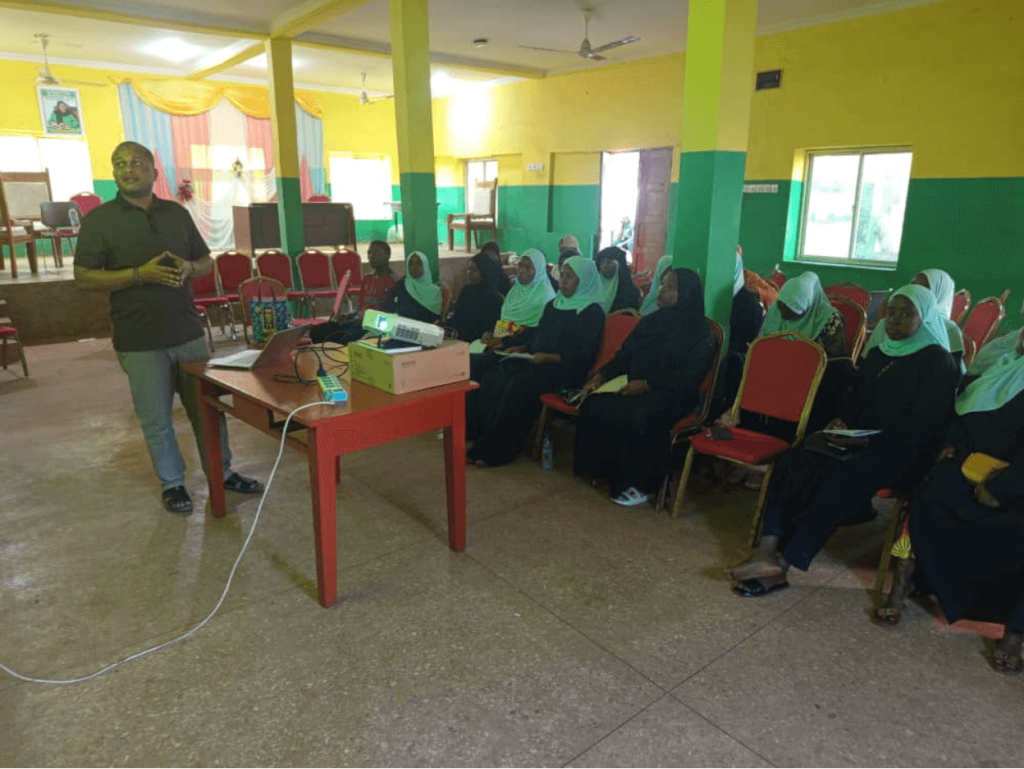
Partnership with the Ministry of Education
In November 2024, our collaboration with the Ministry of Education deepened when we facilitated sessions for all Directors of Education. The sessions highlighted how stress, anxiety, and fear of exams were affecting students’ performance — sometimes manifesting dramatically, such as in the so-called “fainting girls syndrome” seen in several schools.
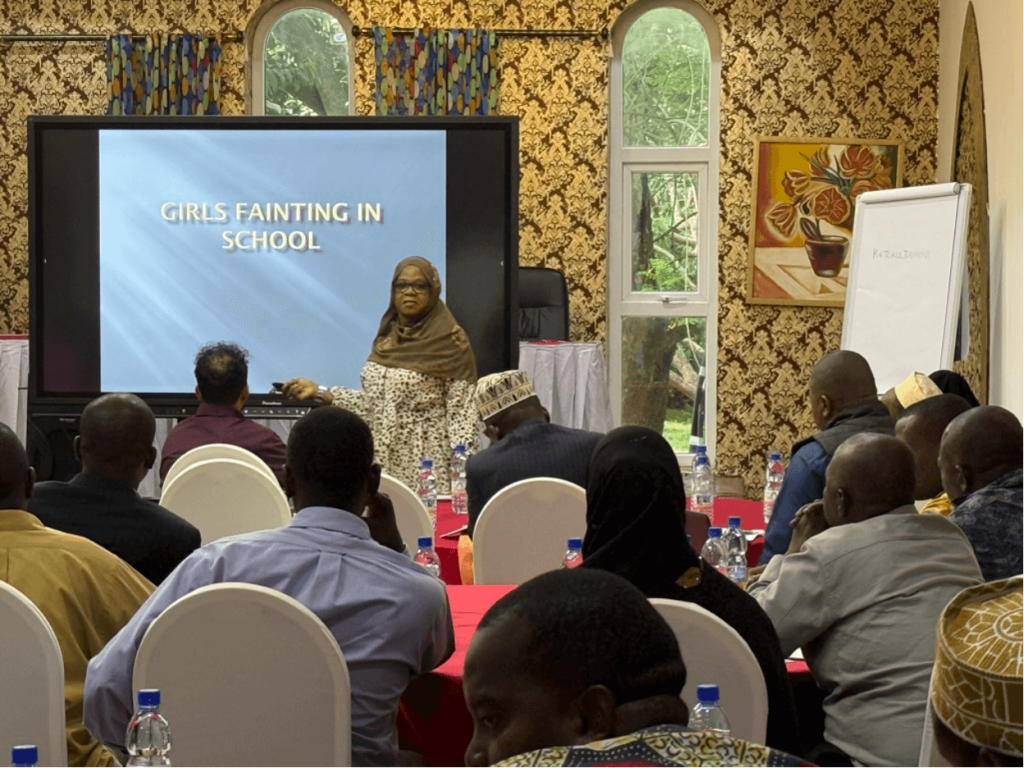
The directors immediately recognised that building mental-health literacy within schools could transform the educational environment. From that moment, the idea for ATEB was born: a structured, culturally grounded programme to strengthen mental-health awareness among teachers and headteachers, enabling them to better support students. It would be a multi pronged approach supporting parents and students in the long term as well.
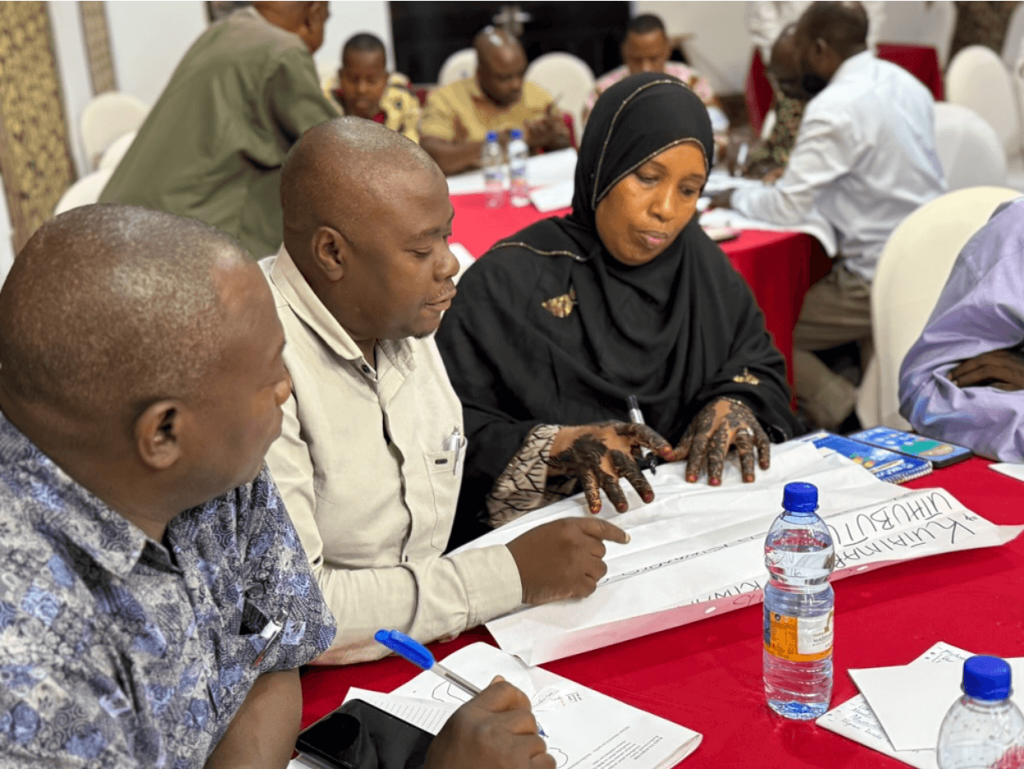
By August 2025, the Ministry and the Lady Fatemah Trust (LFT) had jointly developed training modules in Kiswahili, using participatory and context-sensitive methodologies designed with our facilitators. Thirty headteachers and three District Education Officers completed the first two-day training as part of the pilot.
The launch – a celebration of ownership
When the day of the official launch arrived, some of our master trainers — once trainees themselves — took the stage alongside us. They presented data, shared experiences, and delivered parts of the programme in their own words. Seeing them present was the highlight of the entire event for me.
It was more than a project launch; it was the visible result of local ownership and shared leadership.
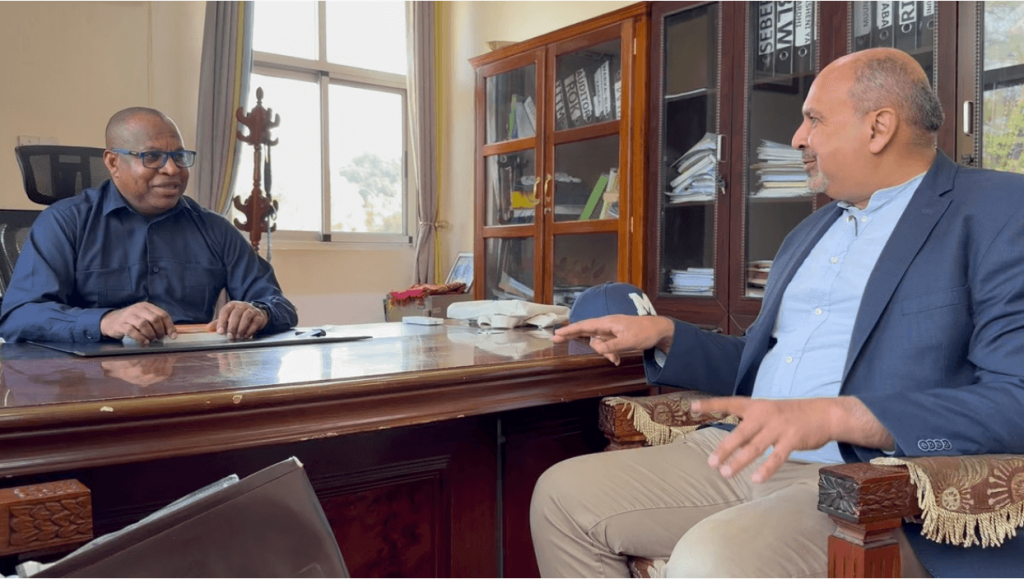
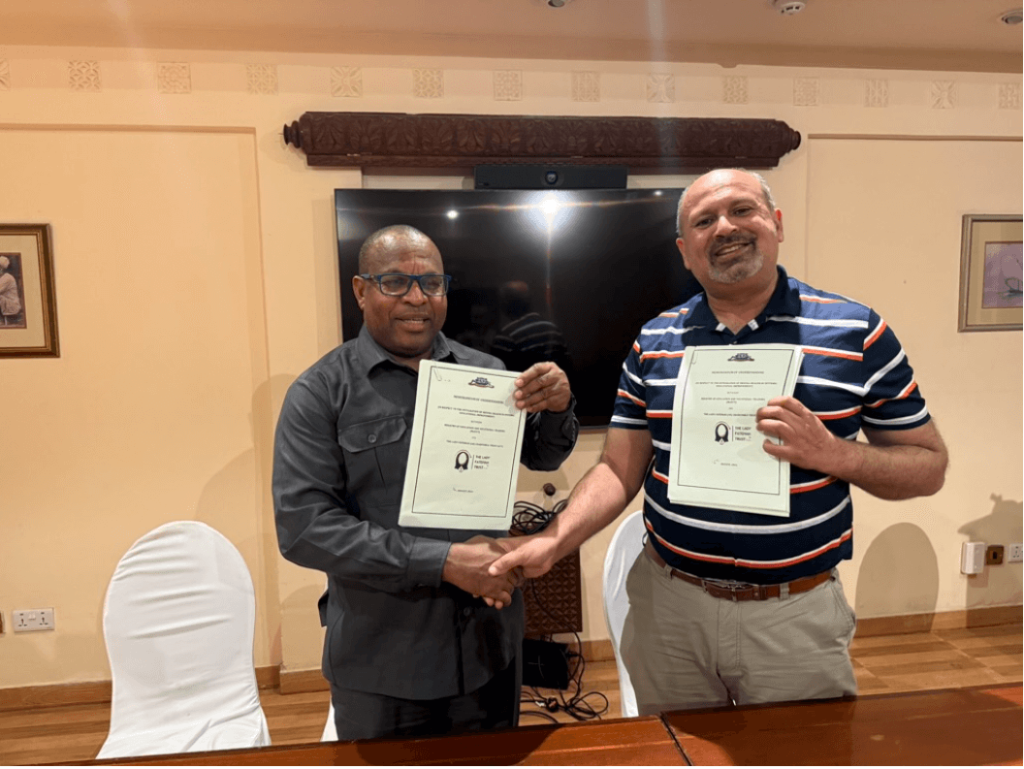
Together, the Ministry of Education and the Lady Fatemah Trust signed a Memorandum of Understanding, formalising a three-year partnership to scale ATEB across all districts of Zanzibar. The MoU ensures not only continuity but also ATEB is designed to be embedded within the existing education system, with headteachers and facilitators leading future cohorts
A model for systemic change
ATEB represents more than a mental-health training initiative. It is a model for systemic change — one that bridges education and wellbeing, policy and practice.
Its design is built on three foundational pillars:
-
Capacity – training and equipping teachers, facilitators, and district officers to understand and address mental-health needs
-
Culture – ensuring that materials and methods reflect local language, values, and lived realities
-
Continuity – embedding mental-health awareness into the education system through sustained partnership and monitoring
Through this model, we are optimistic that we will witness ripple effects: improved classroom engagement, reduced stigma among staff, and more open conversations between teachers, students, and families.
Looking ahead
Our shared vision with the Ministry is bold yet achievable: that every child in Zanzibar should learn in an environment where emotional wellbeing is understood, supported, and valued as part of education.
By 2028, ATEB aims to reach all 11 districts, train every headteacher, and integrate mental-health literacy into teacher training colleges.
When we talk about Sound Mind, Better Education, it’s not just a slogan — it’s a statement of belief that education and wellbeing are inseparable.
A celebration of partnership
The ATEB launch was a celebration – not just of an event, but of a journey shared across borders and disciplines. Psychiatrists, educators, facilitators, donors, and policymakers came together to plant something enduring.
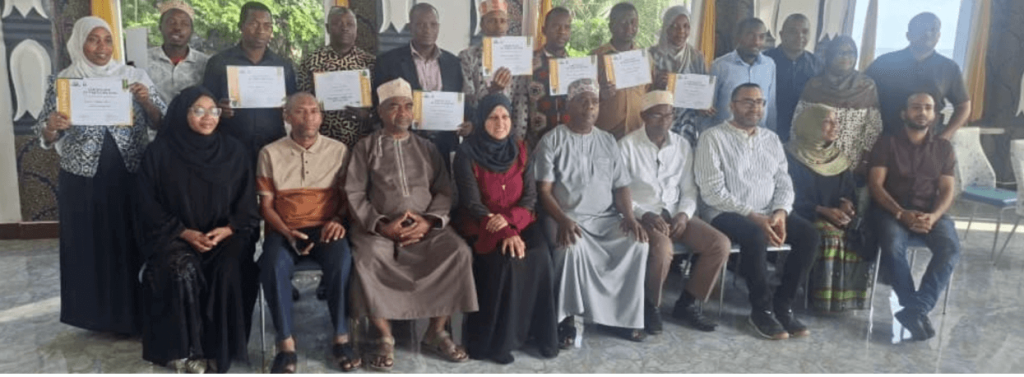
As I watched our master trainers lead their ATEB sessions, I felt both pride and gratitude. Pride in what had been achieved — and gratitude for every facilitator, teacher, and mother who continues to carry this work forward.
ATEB has shown that when communities are trusted, trained, and equipped, transformation follows.
A sound mind truly leads to better education — and together, we are making that vision a reality.
Stories of Survival
Behind each figure is a family. One mother told our team, holding two plastic jugs:
“This is all I can carry. It must last us the day, for cooking, cleaning, and drinking. Some nights, the children still cry because they are thirsty.”
For her, and for thousands like her, every drop delivered is more than water, it is survival, dignity, and relief.