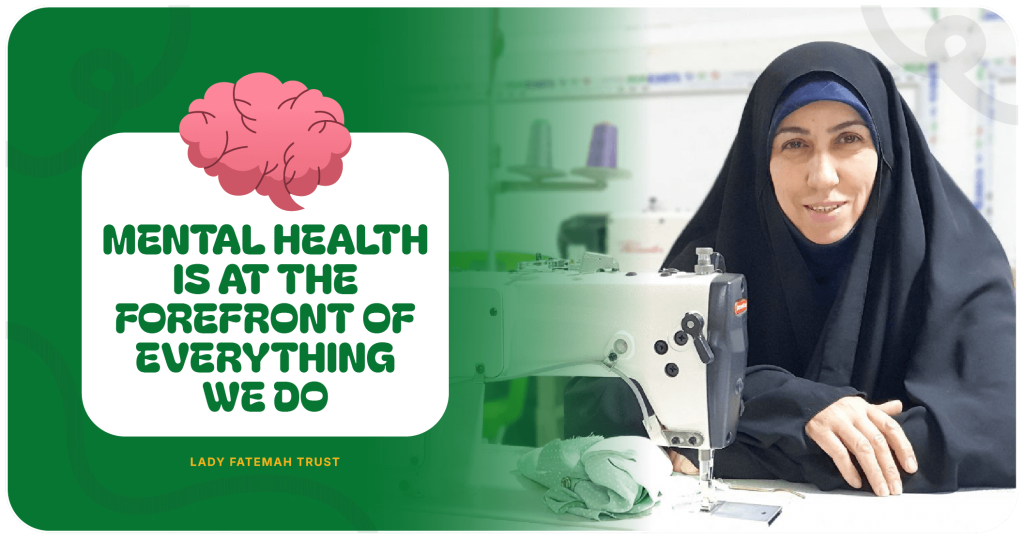
Why Mental Health Is at the Forefront of Everything We Do
- Hawraa Ali, Women Empowerment Lead
The Invisible Weight of Survival
In many of the communities where the Lady Fatemah Trust (LFT) works, mothers and children have endured more than most of us can imagine. They have lived through conflict, displacement, and the daily struggle of survival. Behind their quiet strength lies deep, unspoken pain, grief, anxiety, and trauma that too often go unseen. Yet, mental health remains one of the least understood and least supported needs in these settings. Access to care is almost impossible, and in many cultures, speaking about one’s emotional struggles carries shame or fear of judgment.
But how can we ask a mother to rebuild her life when she wakes each day with the weight of despair? How can a child learn and dream when their mind is consumed by worry or loss? Before we can empower communities economically or socially, we must first help them heal. At the LFT, we believe that every journey toward dignity and independence begins with restoring mental and emotional well-being.
Mental Health: The Foundation of Development
Mental health is not a separate issue from development; it is its foundation. A person’s ability to learn, work, care for their family, or contribute to their community all depends on their state of mind. When someone is carrying unresolved grief, fear, or anxiety, their capacity to absorb information or make decisions becomes limited. This is especially true for the women and mothers we work with, many of whom have experienced extreme loss and responsibility at once.
Across Iraq, Afghanistan, Yemen, and beyond, hundreds, if not thousands, of mothers have been widowed, left suddenly to care for children alone in the aftermath of conflict and instability. Overnight, they become the main breadwinners in families already struggling to survive. The easiest response, both for them and for aid systems, is handouts, short-term assistance that meets immediate needs but changes little over time. What’s far harder, yet far more transformative, is healing the invisible wounds first, giving mothers the inner strength and confidence to rebuild their lives on their own terms.
Where Healing Begins: The Mothernomics Model
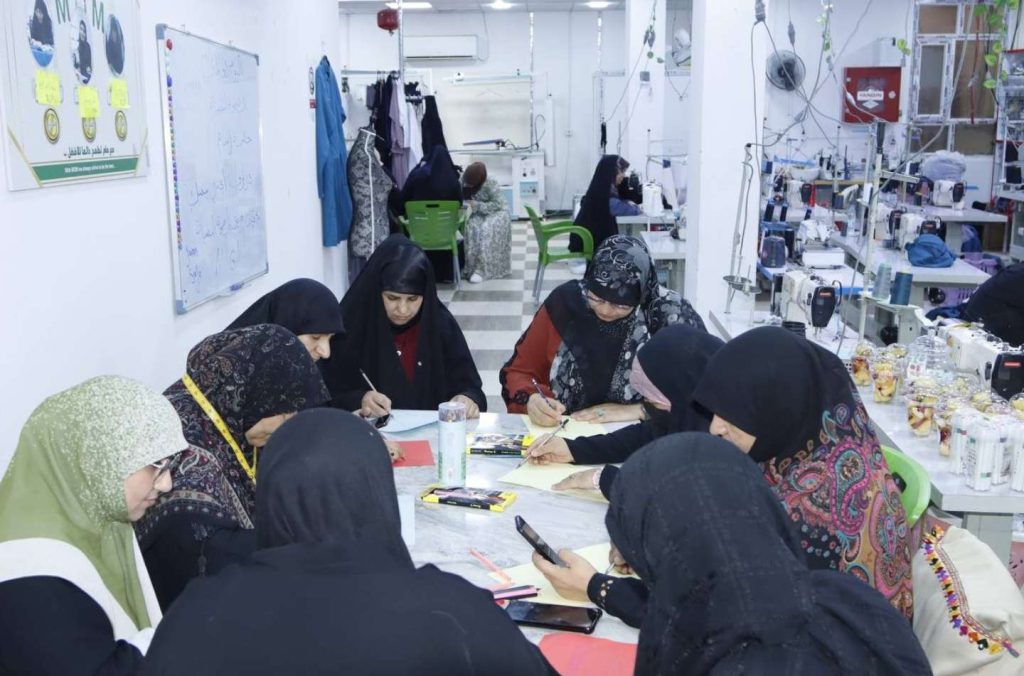
This is where projects like Mothernomics come in. We do not begin with a sewing machine; we begin with listening. We hold a mother’s hand and help her confront the fears and memories that have long silenced her. We tell her, “You are worth it. You are capable. You deserve to heal.” That moment of affirmation can be the turning point, because when a woman begins to believe in her own worth, she passes that belief to her children, and her family’s trajectory begins to change.
The Ripple Effect of Healing
From an educational perspective, children of emotionally stable mothers attend school more regularly, concentrate better, and develop healthier social relationships. Economically, mentally healthy mothers are more productive, entrepreneurial, and likely to sustain their income activities. On a societal level, communities where trauma is addressed are more cohesive, cooperative, and resilient in the face of crisis.
The cost of ignoring mental health is both human and economic. Untreated psychological distress leads to higher school dropout rates, reduced workforce participation, and long-term dependency on aid. But beyond numbers, it costs people their sense of self-worth and hope, the very forces that drive recovery and progress.
When we invest in mental health, we are not only preventing suffering; we are unlocking potential. Empowered mothers raise confident children, and confident children build stronger communities. This is why, for the Lady Fatemah Trust, mental health is not an afterthought; it is the first step toward breaking the cycle of poverty and dependence, and the most powerful foundation for sustainable development.
Evidence of Impact: Beyond Income
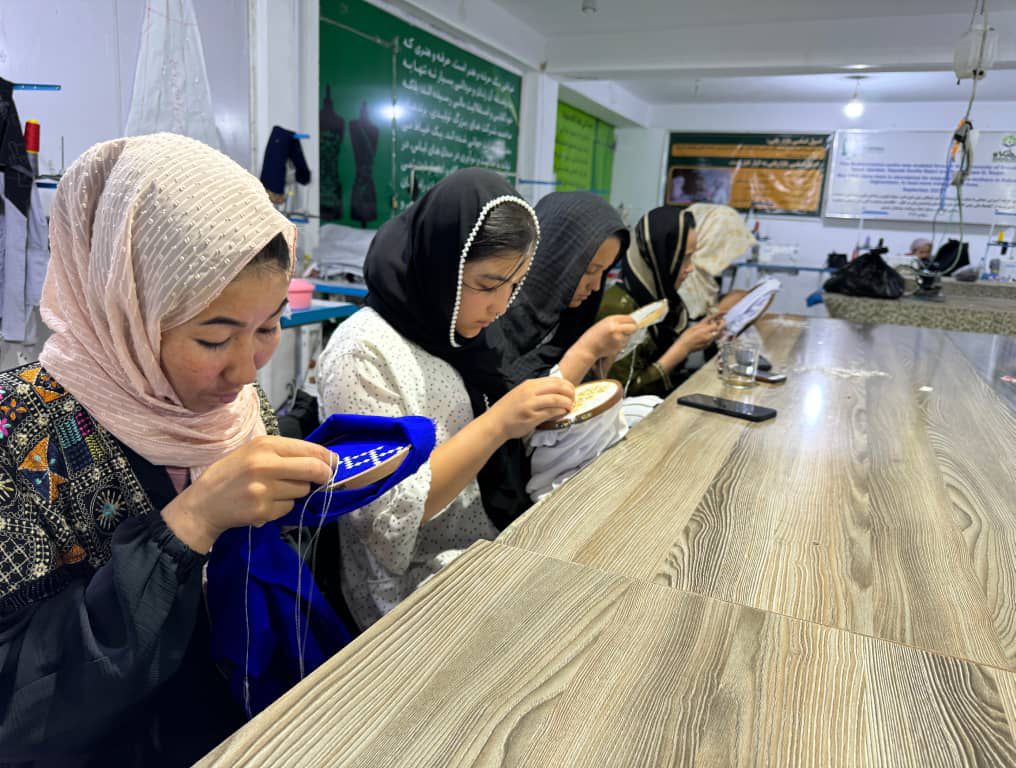
Qualitative findings show that Mothernomics changes lives beyond income. Women reported greater economic independence, improved technical and literacy skills, better emotional well-being, and a stronger sense of identity and belonging. Testimonies point to four main impact areas: economic empowerment; skill development and education; psychological and emotional growth; and social empowerment and identity. Overall, the program fosters holistic empowerment, building self-sufficiency, confidence, resilience, and active engagement in society.
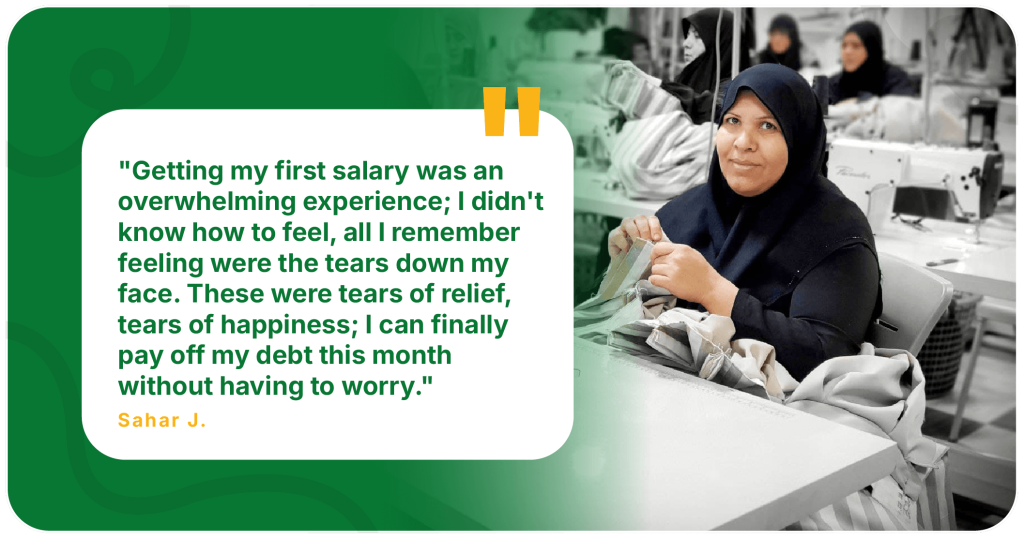
Sahar is one of many with the same message: Mothernomics is more than income, it’s transforming lives. Integrating mental health services wasn’t incidental. From the start, we saw many mothers carrying deep trauma, and supporting their healing was essential to the project’s success.
Healing as the Heart of Development
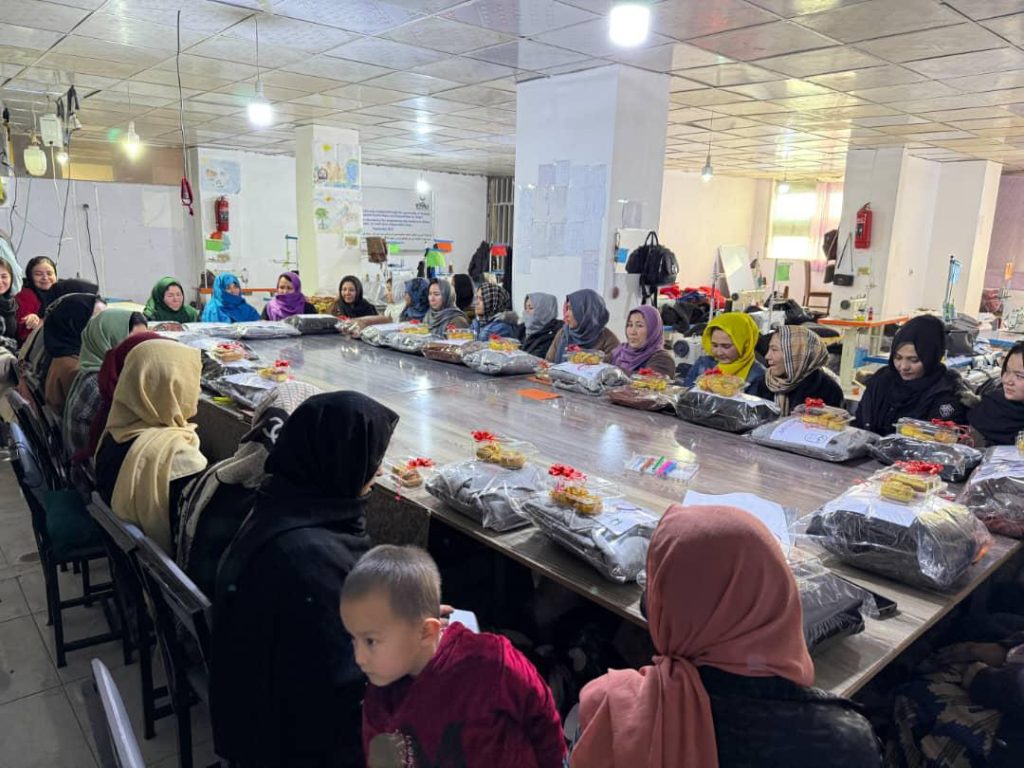
At Mothernomics’ Karbala headquarters, mothers access vocational training, on-site mental health support, quality checks, and referrals to health services, within one coordinated system. The program uses an integrated, trauma-informed model: clear processes, transparent communication, and staff trained to recognize triggers and respond safely to ensure mothers get the right help at the right time. Delivery is culturally competent, rooted in local language, customs, faith practices, and privacy norms, and led by an all female leadership team so services feel respectful and relevant.
Mental health is not an add-on to development, it is its heart. A mother’s ability to learn a new skill, show up for work, guide a child’s homework, or rebuild after loss depends on whether her mind and spirit have room to breathe. When grief and fear subside, attention returns. When hope returns, effort follows. And when effort is sustained, income, education, and community life begin to rise together.
The Promise We See Every Day
This is the promise we see each day at Mothernomics. We begin with listening, honour dignity through a trauma-informed and culturally grounded approach, and then pair healing with practical skills and reliable work. The result is not only a paycheck; it is confidence, stability, and a renewed sense of possibility. As mothers heal, children attend, families stabilize, and communities grow more resilient.
When we back a mother’s well-being, we back the future of her home and hometown. Mothernomics shows that healing ignites livelihoods, and livelihoods keep healing alive.
Stories of Survival
Behind each figure is a family. One mother told our team, holding two plastic jugs:
“This is all I can carry. It must last us the day, for cooking, cleaning, and drinking. Some nights, the children still cry because they are thirsty.”
For her, and for thousands like her, every drop delivered is more than water, it is survival, dignity, and relief.